
Colorful Hexagon Tile Arranger
Reviews
Colorful Hexagon Tile Arranger stands out in the crowded puzzle genre by emphasizing thoughtful strategy over speed. The hexagonal tiles require more spatial awareness than typical square blocks, making each level feel fresh. Its clean visuals and lack of timers create a relaxing atmosphere. The gradual difficulty curve ensures players of all skill levels can enjoy the challenge. A solid choice for anyone seeking a mental workout without stress.
About this game
Core Gameplay Loop
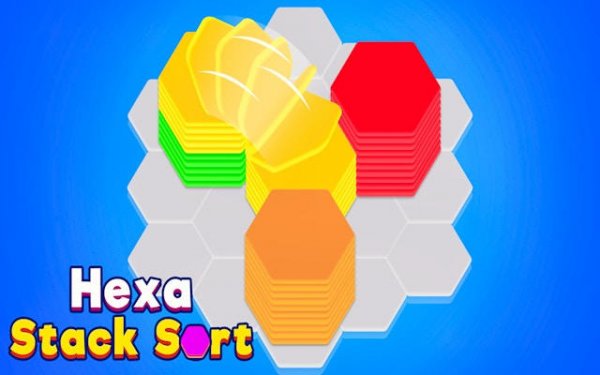
Players interact with a grid filled with colorful hexagonal tiles. The primary action involves moving tiles to group them by matching colors. When a group of same-colored tiles reaches a certain height, they vanish from the board. This simple rule creates a satisfying cycle of sorting, stacking, and clearing. Each level presents a unique starting arrangement, demanding fresh strategies. The hexagonal shape adds an extra layer of spatial reasoning compared to square-based puzzles.
Strategic Depth Without Rush
Success depends on careful observation and forward thinking. Players must consider how each placement alters available space for future moves. Some levels include special tiles that act as wildcards, helping to complete stacks more efficiently. The game encourages a methodical pace, allowing players to pause and analyze the board. This design makes it accessible for those who prefer thoughtful problem-solving over quick reactions.
Visual Design and Atmosphere
The game features a bright, clean aesthetic with distinct colors for each tile type. Clear visual feedback confirms when a stack is cleared, providing a sense of accomplishment. The interface is uncluttered, focusing attention on the puzzle itself. Animations are smooth but subtle, ensuring they do not distract from gameplay. This visual approach supports a calm, focused experience suitable for short play sessions or extended relaxation.
Progression and Challenge
As players advance, new patterns and tile configurations appear. Early levels serve as tutorials for basic mechanics, while later stages introduce more complex layouts that require deeper planning. The difficulty curve is gradual, allowing players to build skills without frustration. A progression system tracks completed levels and may unlock additional content, providing motivation to continue. The game does not rely on timers or scores, keeping the focus on personal satisfaction.





Comments
0 comments