

Sweet Tile Swap Puzzle
Reviews
Sweet Tile Swap Puzzle stands out in the crowded match-3 genre by focusing on thoughtful level design rather than flashy distractions. Each stage introduces a new twist, keeping the gameplay fresh across dozens of levels. The visuals are clean and pleasant, and the absence of timers makes it ideal for relaxed play. The difficulty curve is well-tuned, offering a gentle start that gradually demands more careful planning. It is a solid choice for anyone looking for a satisfying puzzle experience without pressure.
About this game
Core Swap Mechanic
The central action in Sweet Tile Swap Puzzle is straightforward: players exchange adjacent tiles to form horizontal or vertical lines of three identical items. When a match is made, those tiles vanish from the board, and new tiles fall into place. This simple loop is the foundation for all the challenges that follow.
Level Objectives and Variety
Each stage presents a distinct set of tasks. Some levels ask you to clear a certain number of a specific tile type, while others require collecting hidden items or reaching a target score within a limited number of moves. As you progress, new obstacles like locked tiles or moving barriers appear, demanding more careful planning.
Visual Style and Atmosphere
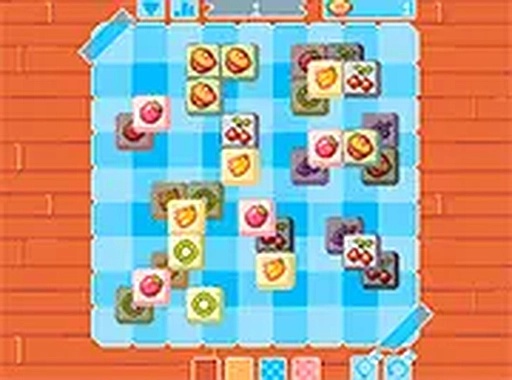
The game uses bright, cheerful colors and smooth animations that make each successful match feel satisfying. The tiles are designed to look like glossy sweets, but the focus stays on clarity and ease of recognition. The interface is clean, with no distracting clutter, so players can concentrate on solving each puzzle.
Strategic Depth Without Pressure
While the basic move is simple, mastering the game requires foresight. Creating special tiles that clear entire rows or columns can turn a tough board around. The game never rushes the player, allowing time to think through each move. This balance of luck and planning keeps the experience engaging without becoming stressful.
Progression and Replay Value
The level count is generous, with difficulty rising gradually. Early stages serve as a gentle introduction, while later ones test pattern recognition and efficiency. Because each level can be replayed to improve performance, there is always a reason to come back. The game does not rely on timers or pressure, making it suitable for short breaks or longer sessions.





Comments
0 comments