
Cuboid Squad Clash
Reviews
Cuboid Squad Clash stands out for its clean visual design and thoughtful mode variety. The three play styles each demand different strategies, from close teamwork in Team Mode to solo precision in Long Range Mode. Progression through equipment feels rewarding without being grindy. The arenas are compact but offer enough cover and routes to encourage tactical movement. It is a polished arena game that prioritizes fair competition and accessibility, making it a solid choice for families or casual groups looking for friendly matches.
About this game
Arena Modes Overview
Cuboid Squad Clash presents three distinct ways to play. Team Mode pairs four players against another squad, encouraging cooperation across the blocky maps. Individual Mode removes the safety of allies, pushing each player to rely solely on their own positioning and timing. Long Range Mode shifts the focus to precision, where controlling distance becomes the key to success. Each mode reshapes how you approach the same arenas, keeping the experience fresh.
Visual Style and Clarity
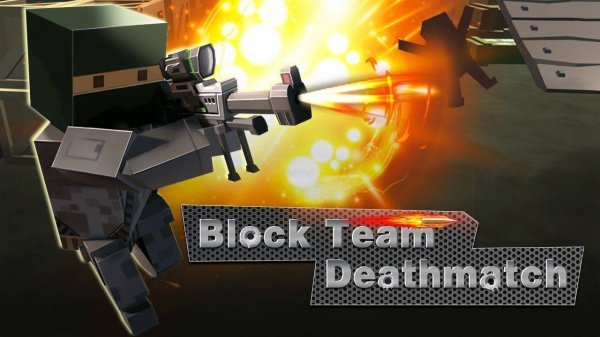
The game uses a charming pixel-block art style that makes every character and obstacle easy to identify at a glance. Bright colors and simple shapes ensure that nothing feels cluttered, even when multiple players occupy the same space. This clean presentation helps players focus on movement and decision-making rather than deciphering complex graphics. It is a deliberate design choice that supports quick reactions and fair play.
Progression Through Equipment
As you participate in matches, you earn access to improved gear. Starting with basic tools, players can gradually unlock items that offer different advantages in speed, range, or defense. The equipment system rewards consistent play without requiring any purchases. This steady progression gives newcomers clear goals while allowing experienced players to experiment with loadouts that suit their preferred style.
Movement and Map Awareness
Success in Cuboid Squad Clash depends heavily on how well you read the arena. Each map features blocky structures that can serve as cover or vantage points. Learning the layout helps you anticipate opponent paths and plan your own routes. Moving efficiently between positions is just as important as aiming accurately. Players who take time to explore the maps gain a noticeable advantage over those who rush in without a plan.
Getting Started Tips
New players should begin with Team Mode to learn the maps alongside allies. The early matches provide a low-pressure environment to practice movement and try different equipment. Focusing on one or two arenas at first helps build familiarity. As confidence grows, moving to Individual Mode offers a steeper challenge that sharpens reflexes. Regular short sessions often build skill faster than long, unfocused play.





Comments
0 comments